
Managing the budget of a major refinery project is a tough balancing act. Every manager wants to cut costs, but no one wants to risk the safety of the crew inside the tanks. During a regular tank inspection, a huge chunk of your money disappears into the hidden labor of holding up the massive floating roof. If your facility still relies on old-fashioned wood blocks, you are likely overpaying for labor while taking on dangerous risks. Upgrading to modern tank cribbing systems in Houston gives companies a reliable way to protect their budgets by updating basic field practices.
Why Do Wood Support Methods Cost So Much?
Have you ever calculated the total cost of moving wood blocks during a project? Wood might seem inexpensive when you buy it, but the true expense shows up in your daily labor reports.
Constant Re-stacking: Labor crews must build, tear down, and rebuild timber stacks ten to fifteen times during a single inspection.
Inspectors Waiting: Every time a wood pile is moved so an inspector can see a new patch of the tank floor, all work stops.
Extended Schedules: This slow process adds weeks to the project, extending the timeline and keeping your tank out of service.
When you multiply these delays by your daily crew rates, a simple stack of wood becomes an expensive bottleneck.
How Do Modern Systems Prevent Total Structural Failures?
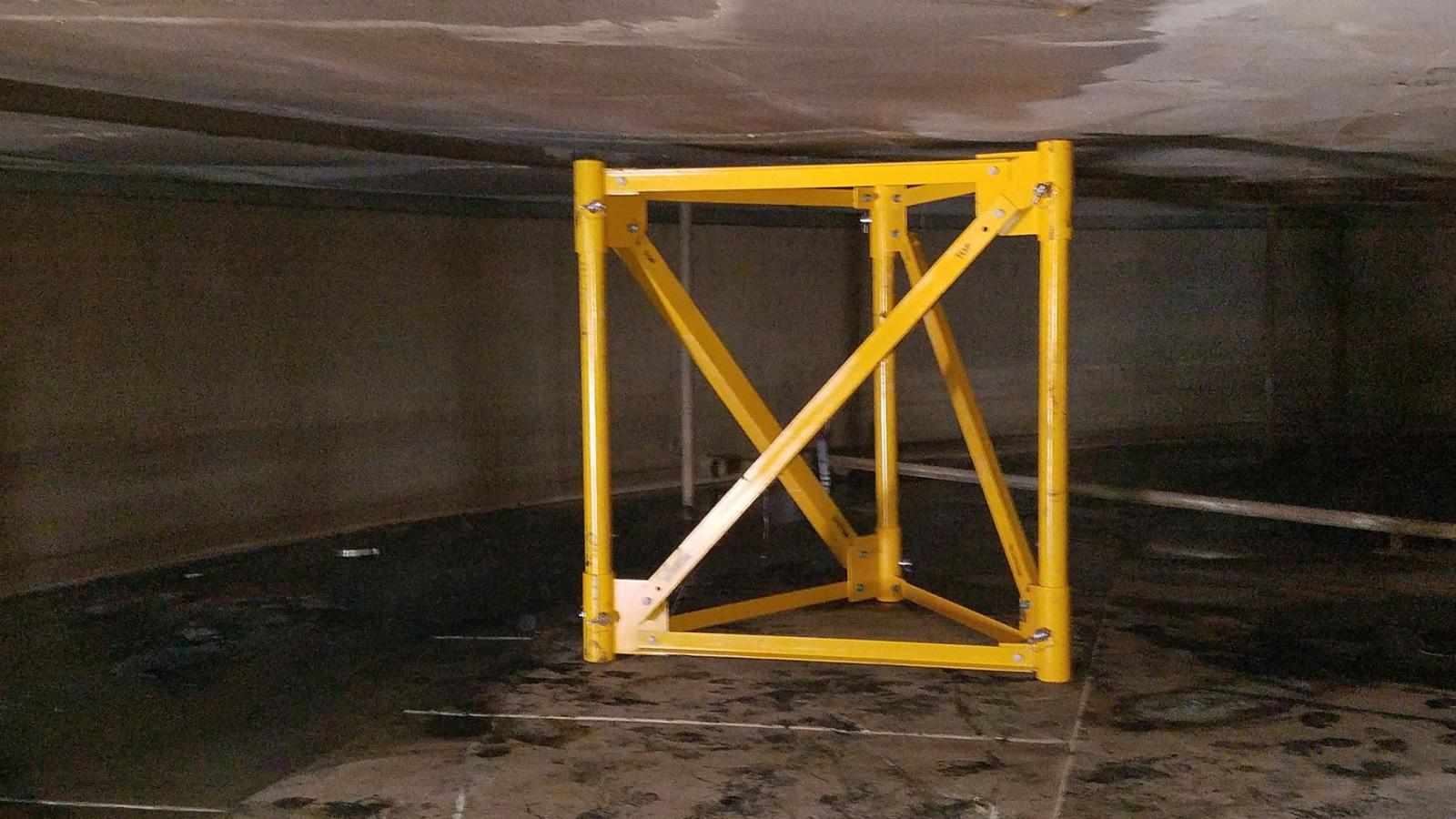
Safety is not just an ethical duty; it is a major financial shield for your business. A single major accident inside a tank can shut down a facility and lead to endless legal and regulatory costs. Specialized steel towers feature an open, hollow frame design that provides an immediate shelter zone for workers.
If a floating roof suffers a sudden twist or shift, workers inside can step directly into the center of the hollow towers. The high-strength steel frame holds the full weight of the fallen roof perfectly. This reliable engineering has saved lives in real-world collapses, allowing workers to walk out safely and preventing massive financial liabilities for the company.
The Financial Penalty of Extended Tank Downtime
What is the biggest financial drain during a tank inspection? It is the loss of daily storage revenue. Every single day a massive storage tank sits empty is a day it is not making money for your company.
Using rapid-relocation steel towers instead of wood shrinks the inspection window by an average of fifteen to eighteen days. Saving more than two weeks of time directly translates into hundreds of thousands of dollars returned to your operational budget because the tank gets back to work much sooner.
Can Low-Cost Scaffolding Substitutes Lower Your Total Expenses?
Some maintenance teams try to save money by renting standard metal scaffolding instead of investing in heavy-duty equipment. They assume that any metal structure is better than wood. However, this choice introduces a massive financial and safety gamble.
Regular scaffolding is made to hold light personnel, not to support thousands of pounds of steel tank plates. These unproven systems lack proper testing for sudden twisting or sideways movements. If the roof shifts and the scaffolding collapses, the resulting damage, fines, and project delays will cost far more than any initial rental savings.
How Do Steel Towers Reduce Your Environmental Disposal Fees?
Dealing with hazardous waste is another area where costs quickly spiral out of control. When wood blocks sit on a dirty tank floor for weeks, they soak up oil, chemicals, and toxic sludge like a giant sponge.
Choosing an engineered tank cribbing in Texas helps facilities completely eliminate these extra environmental expenses through smart design choices:
Non-Porous Surfaces: High-strength steel does not absorb liquids, oil, or chemical residues.
Easy Washdowns: Crews can quickly spray and clean the metal components right inside the tank.
Zero Waste Fees: Clean steel parts are packed up and reused immediately on the next project, eliminating landfill costs and hazardous waste paperwork.
Making Turnaround Budgets Highly Predictable
Every project manager wants a budget they can count on from start to finish. Stacking wood logs by hand is highly unpredictable because it depends entirely on how fast a crew can work on any given day.
Engineered steel components fit together perfectly every single time using simple pins and adjustable legs. This consistent setup allows managers to plan schedules down to the hour, keeping cleaning crews, inspectors, and repair technicians moving forward smoothly without unexpected breaks or costly extensions.
A New Way to Look at Inspection Savings
True savings during a tank turnaround do not come from buying the low-priced materials. They come from using smart equipment that speeds up the job and eliminates mistakes. Sticking with outdated wood methods or using basic scaffolding creates massive risks and long delays that drain your budget. Switching to engineered steel structures transforms tank maintenance from a slow, unpredictable chore into a highly efficient, professional operation.
Delta P Technology helps companies completely rethink their turnaround expenses with their patented, adjustable steel cribbing towers. Their heavy-duty systems are built to withstand sudden roof shifts and have successfully protected forty-three workers during real-world tank failures. By replacing old-fashioned wood logs with these strong, easy-to-move steel towers, maintenance managers can shave up to eighteen days off their project schedules, eliminate hazardous waste disposal costs, and make sure every single worker returns home safely.

Write a comment ...